
Alright, so the global political scene is giving us a real moment with the recent US-Iran deal. Straight up, it’s a huge shift, aimed at cooling down a long-standing conflict. But here’s the kicker: Israel’s Prime Minister Benjamin Netanyahu is highkey not having it, fiercely opposing the agreement. These latest ‘Trump-Netanyahu Tensions’ have everyone wondering if this is just another spat or if something deeper is at play. Trump even called out Israel’s ongoing bombing in Lebanon, saying Netanyahu needs to be ‘more responsible,’ which, no cap, is a big deal when a US President publicly critiques an ally’s military ops.
This current dust-up hits different because it directly follows a formal deal signed by President Trump and Iranian counterpart Masoud Pezeshkian. Israel’s continued strikes in Lebanon, especially after the deal was inked, are seen by some as a direct challenge to the US-brokered peace. The American administration is clearly vexed, with Trump reportedly condemning the bombing of Beirut just before the deal was locked. It’s not just about regional stability; it’s also about the credibility of US diplomacy on the world stage, especially concerning such a pivotal agreement.
Now, while this public ‘beef’ between leaders might seem fresh, the US-Israel relationship has seen its share of drama. Historically, American presidents and Israeli prime ministers have had some gnarly clashes, from Eisenhower’s standoff with Ben-Gurion during the Suez Crisis to Obama’s very public disagreements with Netanyahu over the Iran nuclear deal. But here’s the wild thing: these tiffs often haven’t really derailed the foundational alliance. In many cases, periods of tension were followed by deeper security cooperation or even boosted military aid packages, showing the intricate dance behind the scenes.
Consider the Suez Crisis in 1956, where President Dwight Eisenhower put serious pressure on David Ben-Gurion to withdraw Israeli forces from Egypt. Eisenhower was legit worried about Soviet influence escalating in the Arab world, and he wasn’t afraid to use economic threats. This instance remains a benchmark for American presidents successfully exerting leverage over Israel. Fast forward, and we see President George H.W. Bush delaying loan guarantees to Yitzhak Shamir over settlement expansion, famously declaring himself ‘one lonely little guy’ against pro-Israel lobbying, yet aid continued to flow.
Then there was the notorious Bill Clinton-Netanyahu relationship in the late 90s, where Clinton reportedly snapped, ‘Who the f*** does he think he is? Who’s the f***ing superpower here?’ This raw moment highlighted fundamental disagreements over the Oslo Accords and settlement policies. Even with these explosive personal dynamics and policy divergences, the US has remained Israel’s principal patron, supplying crucial military technology and financial support. This consistent backing is a testament to shared strategic interests, particularly in a volatile Middle East.
The underlying strategic rationale for US support often transcends individual leadership personalities. Beyond the public squabbles, a deeply embedded security apparatus and shared intelligence interests keep the alliance robust. However, recent developments suggest a potential shift. With Netanyahu’s policies in Gaza and Lebanon causing significant civilian casualties, some analysts are asking if Israel is becoming more of a liability than an asset for US foreign policy. The bipartisan support for Israel within the US, once ironclad, is showing cracks, especially among younger progressives.
So, while the current Trump-Netanyahu showdown is definitely making headlines and, in a way, it’s giving us a classic clash of strong personalities, it’s crucial to look beyond the surface. The dynamic between these two nations is complex, rooted in decades of intertwined strategic goals and political maneuvering. Whether this ‘beef’ leads to a fundamental recalibration or just another chapter in a famously tempestuous alliance, only time will tell. But one thing’s for sure: it’s not just business as usual.
If you enjoyed this article, share it with your friends or leave us a comment!
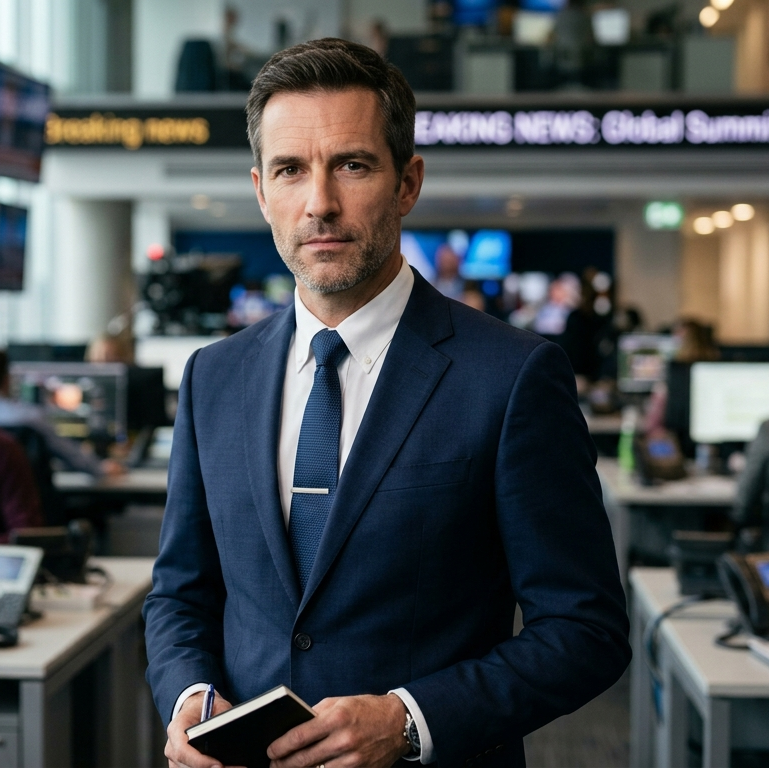
Adrian Velk is a global affairs journalist focused on breaking news, geopolitics, and societal trends. With a sharp eye for detail and a commitment to accuracy, he delivers timely reporting that helps readers understand the fast-moving world around them. His work blends factual depth with clear storytelling, making complex events accessible to a broad audience.