Twenty-five years have passed since the devastating attacks of September 11, 2001, a day that, for real, changed the world forever. As we reflect on a quarter-century since those tragic events, the memory of 9/11 continues to resonate deeply across the nation. The period immediately following the attacks saw unprecedented efforts in national security and global cooperation, aiming to understand and respond to the immense challenges posed. Central to these efforts were the extensive investigations launched by various government agencies, including the well-known work by the FBI, as the article mentions, seeking to uncover every detail surrounding the tragic events and bring those responsible to justice.
The scale of the 9/11 attacks, targeting the World Trade Center in New York City, the Pentagon in Arlington, Virginia, and a plane crash in Shanksville, Pennsylvania, prompted an immediate and massive response. Law enforcement agencies, alongside military and intelligence services, embarked on a comprehensive fact-finding mission that spanned years. This period was characterized by an urgent need to piece together what happened, identify the perpetrators, and prevent future occurrences. The initial focus was on securing the sites, aiding survivors, and recovering victims, while simultaneously initiating the complex process of understanding the global network behind the attacks.
In the wake of such a monumental tragedy, it wasn’t long before a different kind of narrative began to emerge, fueled by the nascent power of the internet. As highlighted by the report referencing Snopes, 9/11 arguably heralded decades of internet conspiracy theories. From claims about controlled demolitions to allegations of government foreknowledge, these theories often sought to offer alternative explanations for the events, frequently contradicting official reports. The digital age provided an unprecedented platform for these narratives to spread globally, creating communities of believers and fostering skepticism towards mainstream accounts, often making it hard to distinguish fact from fiction, no cap.
Beyond the immediate shock and the subsequent surge of theories, the long-term human cost of 9/11 continued to unfold, particularly concerning the health impacts on first responders and survivors. According to information from the Centers for Disease Control and Prevention’s World Trade Center Health Program, exposure to toxins released during the collapse of the towers caused a range of debilitating and chronic conditions. Dust, debris, and hazardous materials at Ground Zero led to respiratory illnesses, cancers, and mental health issues for thousands who bravely served or simply lived and worked near the sites. These silent struggles underscore a profound chapter in the legacy of the attacks, requiring sustained support and recognition.
The geopolitical landscape also underwent a seismic shift post-9/11. The attacks significantly influenced international relations, leading to new alliances and conflicts as nations grappled with the complex challenges of global terrorism. Domestically, there was a profound re-evaluation of security protocols at airports, borders, and public spaces, leading to the creation of new government departments and extensive legislative changes aimed at bolstering national defense. These transformations were far-reaching, fundamentally altering how governments approached security, intelligence gathering, and international cooperation in the years that followed the tragedy.
As we mark this significant anniversary, the enduring lessons of 9/11 remind us of the importance of vigilance, resilience, and compassion. While the events themselves are now part of history, the debates surrounding them, the care for those affected, and the security measures implemented continue to shape our world. Understanding this pivotal moment means acknowledging the multifaceted impact it had, both immediate and long-term, and appreciating the collective journey of remembrance and rebuilding that has defined the last two and a half decades.
If you enjoyed this article, share it with your friends or leave us a comment!
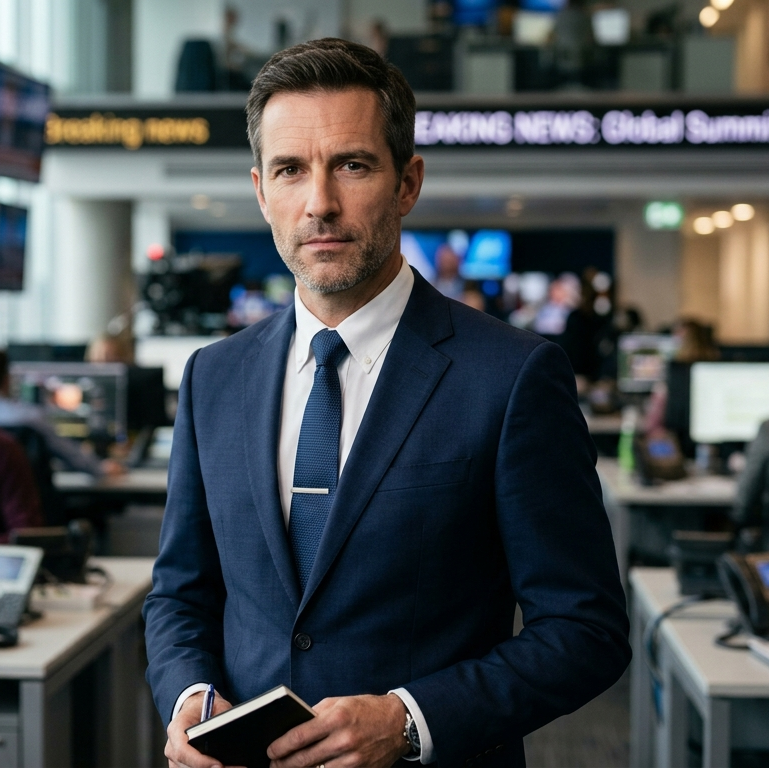
Adrian Velk is a global affairs journalist focused on breaking news, geopolitics, and societal trends. With a sharp eye for detail and a commitment to accuracy, he delivers timely reporting that helps readers understand the fast-moving world around them. His work blends factual depth with clear storytelling, making complex events accessible to a broad audience.