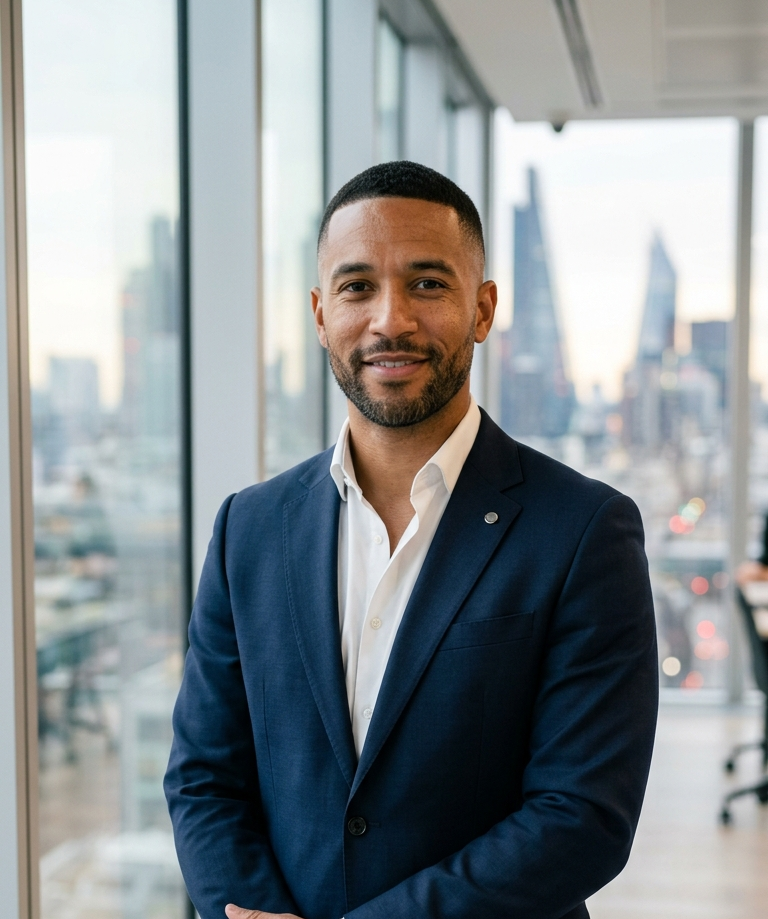
The Indonesian film industry is seriously hitting different these days, and leading the charge to take it global is Linda Gozali, the director of JAFF Market. Gozali’s mission, as outlined in the report, is straight up ambitious: propel Indonesian cinema onto the world stage without ever losing its unique cultural identity. This isn’t just about making movies; it’s about building a sustainable, internationally connected ecosystem that is, as she puts it, ‘nationally indispensable, regionally relevant and internationally connected’. It’s a ‘next level’ Global Play to put Indonesian stories on screens everywhere, and for real, the market is buzzing with potential.
The journey for JAFF Market has been quite the ride since its inception. Kicking off in 2024, the market was initially a test run to see if Indonesia’s booming film scene even needed such a platform. The industry’s answer was a resounding ‘yes,’ setting the stage for growth. By 2025, it was already opening its doors wider, welcoming regional and international collaborators. This year, in 2026, the focus has shifted to shoring up the business against global economic turbulence and political uncertainty, all while forging even stronger partnerships both at home and abroad. It’s a testament to its quick come-up and dedication to sustained relevance.
While Indonesian films have been crushing it domestically, turning local blockbusters into international hits remains a key challenge. Gozali, according to the article, points out that producers and filmmakers often prioritize the home crowd, and honestly, who can blame them when there’s still a massive untapped audience right there? However, she also notes that some Indonesian horror flicks have successfully crossed borders, and indie films have garnered love on the international festival circuit. This isn’t unique to Indonesia, as major players like China, India, and Japan also tend to look inward first.
To really lock in that international appeal, JAFF Market, in collaboration with Cinepoint, has dropped an industry report that’s pretty eye-opening. It highlights a core issue: a mismatch between Indonesia’s hefty volume of content production and its appetite for investment, versus a somewhat limited exhibition infrastructure. Gozali advocates for a holistic approach, emphasizing that sustainable growth requires wider audience access, diversified distribution channels, responsible production investment, and stronger business intelligence. It’s about making evidence-based decisions, which is just smart business, periodt.
The market isn’t just talking the talk; it’s walking the walk and already delivering some dope results. Projects like ‘Pangku’ and ‘My Mother’ from JAFF Future Project, alongside ‘Tikam Samurai,’ ‘Bandits of Batavia,’ ‘World Without Sleep,’ ‘Timun Mas,’ and ‘Gloomy Sunday’ from the JAFF IP Connection, have found their next steps with collaborators. We’re talking joint ventures, memorandums of understanding, and letters of intent, with shout-outs to deals for ‘Khadam’ and ‘Badut Gendong,’ plus a legit agreement with the Jakarta government. One standout example, ‘Slaughterground,’ started as an IP in 2024 and returned this year as a full-blown film project, proving the market’s long game is on point.
Positioning itself on the regional calendar alongside established heavyweights like Busan’s Asian Contents & Film Market, Hong Kong FilMart, and the Taiwan Creative Content Fest, JAFF Market is playing it cool. As the ‘new kids on the block,’ they’re all about learning and partnering with these seasoned players to strengthen everyone’s programs. They’ve already got solid ties with the Adelaide Film Festival, a partnership that brings continuity and opens doors to established international networks, plus a reciprocal IP exchange with ACFM. It’s all about building bridges, not walls, which is pretty boss.
Attracting international sales agents, distributors, financiers, and streamers isn’t about throwing a party and hoping they show up. Gozali stresses that international participation has to be driven by actual business opportunities. The market achieves this through carefully curated programs, engaging business dialogues, and a focused matchmaking process. The goal is to move attendees beyond general discovery to concentrated meetings with decision-makers, ensuring that the quality and relevance of international guests are prioritized over sheer numbers. That’s how you get things done, for real.
Recognizing that a major gap in the industry is the shortage of sustained cross-border producer relationships, JAFF Market has spearheaded its Producers Exchange strand. This initiative is all about fostering trust, encouraging knowledge sharing, and helping producers find compatible partners beyond just one-off projects. According to the report, connecting the right producers today can totally shape the regional production and distribution landscape of tomorrow. For aspiring filmmakers, programs like JAFF Future Project, Film Labs, and Talent Day offer a solid entry point, guiding them through the intricacies of the industry.
While co-productions offer sweet perks like additional financing, creative expertise, shared resources, and broader distribution, Indonesia needs to tighten up its regulatory frameworks, production incentives, and tax rebate mechanisms. Gozali highlights the importance of ensuring Indonesian filmmakers are ready to be equal creative and business partners in these ventures. The backing from institutions like Amar Bank, Indonesia’s Ministry of Culture, the Ministry of Creative Economy, and Jakarta City is crucial, but long-term, sustained support in both funding and infrastructure is what’s truly needed to keep this platform thriving.
Looking ahead to the next five years, Gozali’s vision is clear: growth isn’t just about getting bigger; it’s about becoming more relevant, more useful, and more consequential. JAFF Market aims to remain commercially responsible without ever becoming commercially exclusive, ensuring it stays accessible to independent filmmakers and emerging production companies. Supporting new talent isn’t just some philanthropic gesture; it’s a smart investment in the future creative and commercial potential of the entire industry. That’s a ‘mic drop’ moment right there.
If you enjoyed this article, share it with your friends or leave us a comment!

Livia Dorne covers film, television, music, and pop culture with a keen editorial perspective. She delivers engaging commentary, reviews, and behind-the-scenes insights that keep readers connected to the entertainment world. Her style blends critique with storytelling.