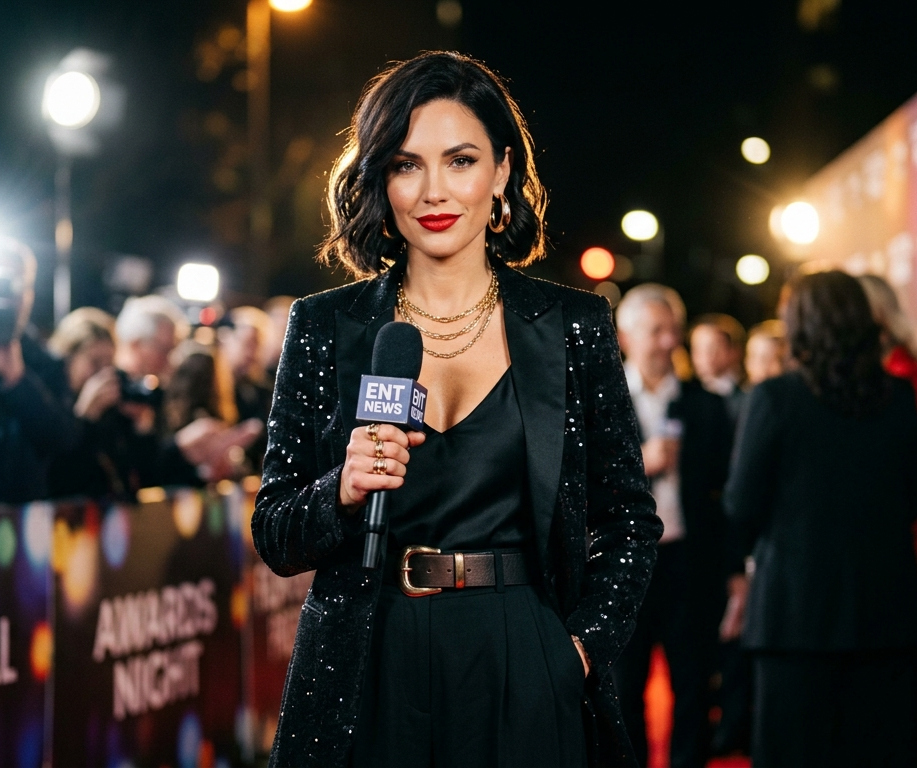
Alright, fam, get ready because Election Night 2026 is shaping up to be an absolute spectacle, according to recent reports. Traditional media giants and a fresh crew of digital creators are going ‘full send’ to deliver more data, more bells and whistles, and just straight-up more coverage than any recent midterm cycle. It’s a total battle for eyeballs, with everyone vying to break down the returns as they roll in.
This Election Night, you’ll see linear networks like NBC News and Fox News throwing down serious resources, deploying teams across an expanding map and preparing for potential polling disruptions. NBC News is reportedly planning an epic 13 hours of coverage, their most ever for a midterm. But it’s not just the big players; independent podcasters, journalists, and creators on platforms like YouTube are also stepping into the arena, offering their unique takes and streams of data, making it a high-stakes competition for who gets to inform the American public.
The tech game is strong this cycle, no cap. Fox News is rolling out an AI-powered chatbot on its app, while ABC News is hitting us with a new studio, a fresh set, and a vertical video content feed. CNN’s debuting ‘Sightline,’ a real-time assessment of who’s ahead in major races, designed to show how their analysts project outcomes. CBS News is bringing the ‘FutureCast,’ giving insight into House and Senate control, changing as results come in, aiming to be super transparent and avoid the old ‘too early to call’ vibe.
What’s really wild this year is the ‘expanding map.’ Races that were once seen as lock-downs are now straight-up nail-biters, forcing networks to dispatch more reporters to areas previously considered safe for one party. The article mentions South Carolina, for instance, where Darline Graham is reportedly in a surprisingly tight race. This dynamic shift shows how fluid the political landscape is, challenging networks to be nimble and adjust their coverage plans on the fly.
Transparency is a major theme, as decision desks move away from simply declaring races. Instead, they’re providing real-time probabilities and insights into where races are leaning. Bill Hemmer of Fox News famously stated, ‘It’s great to be first; it’s a hell of a lot better to be right,’ underscoring the universal focus on accuracy and delivering verifiable results to a politically charged audience. This commitment ensures viewers aren’t just told who won, but also why and how.
Prediction markets are also in the chat, with CBS News featuring data from Kalshi. However, the report highlights a healthy dose of skepticism from figures like NewsNation’s Chris Stirewalt and Fox News’ Bill Hemmer. They view these markets more as ‘lagging indicators’ or akin to fantasy sports, cautioning against relying on them as primary forecasting tools. It’s clear that while new data points are explored, traditional, verifiable data remains the undisputed king.
Election integrity is highkey on everyone’s mind. Networks are geared up with legal teams and election-integrity experts, ready to handle potential poll disruptions, legal challenges, or fraud claims. The Justice Department is reportedly sending an expanded number of election monitors to polling locations. News outlets are focused on providing context, helping viewers distinguish between ‘normal’ election cycle anomalies and truly significant issues, reassuring the public as democracy plays out in real time.
Ultimately, this Election Night is shaping up to be a whole different beast. From round-the-clock coverage across every conceivable platform—broadcast, streaming, social media, podcasts—to a relentless focus on raw data and voter sentiment, the goal is to give Americans the clearest, most comprehensive picture possible. It’s all about bringing people into the story, unpacking it as it happens, and making sense of the intense flow of information in a straightforward way.
If you enjoyed this article, share it with your friends or leave us a comment!
Adrian Velk is a global affairs journalist focused on breaking news, geopolitics, and societal trends. With a sharp eye for detail and a commitment to accuracy, he delivers timely reporting that helps readers understand the fast-moving world around them. His work blends factual depth with clear storytelling, making complex events accessible to a broad audience.