Yo, the global stage is totally buzzing right now with some intense back-and-forth between Iran and the United States, as reports indicate both sides are lowkey exploring diplomatic channels even while sounding off about potential military escalation. After two days of Qatari-mediated talks, Iranian authorities are signaling a deal could be on the table, provided their demands get a tangible rollout. But don’t get it twisted; they’re also straight up ready to expand attacks or even launch preemptive strikes if a full-blown conflict feels inevitable. This whole situation is, no cap, a delicate dance between negotiation and brinkmanship, keeping everyone on edge.
Iran’s Foreign Minister, Abbas Araghchi, was quoted telling Al Jazeera that the nation is ‘prepared for all scenarios,’ highlighting significant upgrades to weaponry, addressed vulnerabilities, and tested new arms, with forces at ‘the highest level of readiness.’ Meanwhile, US President Donald Trump, while noting the talks were going ‘fine,’ expressed doubts about Iranian authorities’ reliability. The prominent leader, who had previously ordered attacks alongside another nation against Iran on February 28, has not shied away from suggesting further strikes on the country’s civilian infrastructure, potentially after the November 3 midterm elections, calling it a quick ’10-minute’ job for ‘one or two sites.’ Talk about high-stakes political maneuvering, right?
The Strait of Hormuz, a critical chokepoint for global oil shipments, remains a major flashpoint in these ongoing tensions. As the article points out, the mediated talks reportedly yielded a concrete result by shortening the proposed period for Iran to partly reopen the strait from seven days to just two. This strategic waterway has historically been central to regional stability and global energy security, making any disruption here a big deal. For decades, control over the Strait has been a significant geopolitical leverage point, and Iran’s assertion of control through its Persian Gulf Strait Authority is, in many ways, a continuation of that historical pattern, impacting vessels that don’t coordinate.
According to Negar Mortazavi, a senior fellow with the Center for International Policy, there are ‘indications’ of US interest in a negotiated settlement, citing the continued Qatar-mediated discussions and Vice President JD Vance’s recent outreach. However, the core issue, as she outlined, is ‘sequencing and leverage,’ with each side wanting the other to make the first move. Iran is pushing for a series of concessions, including the lifting of a naval blockade that has significantly impacted its oil exports and trade, along with waivers for oil sanctions and the unfreezing of assets abroad. This kind of economic warfare, characterized by measures like the US ‘Operation Economic Outcast,’ has a long history as a tool of statecraft, aimed at pressuring adversaries without direct military confrontation, but it hits different when it’s your economy on the ropes, facing nearly 90 percent inflation.
Hamidreza Azizi, a senior Iran analyst, noted that the two-day offer from Iran suggests some flexibility in sequencing, which could allow for an initial diplomatic win without resolving the deeper disagreements. Yet, the military statements from Iran, including Supreme Leader Mojtaba Khamenei’s demand for ‘maximum deterrence’ and readiness for an immediate, geographically unrestricted response targeting ‘tangible and intangible’ US and Israeli assets, really show the limits of this diplomatic opening. Iran’s security chief Mohsen Rezaei underscored that normal transit in the Strait won’t resume without US concessions, also noting a ‘positive change in tone’ in a letter from Vance, though no response has been given yet. This isn’t just talk; it’s a strategic flex, aiming to make any further attack super costly and unpredictable for Washington.
The situation remains, dare I say, pretty sketchy. With Iran’s commander Gholamreza Jalali discussing ‘network islanding’ practices to protect their electricity grid from potential bombing, and state media airing footage of missiles and drones being deployed from underground sites, both nations are showing their hand. The economic pressure from the US, as detailed in a Treasury report publicised by Axios, confirms Iran’s economy is ‘crippled,’ yet not on the verge of collapse. This intricate dance of threats, diplomacy, and economic pressure is, for real, a high-wire act where the stakes couldn’t be higher for global peace and regional stability. It’s truly giving ‘what happens next?’ vibes.
If you enjoyed this article, share it with your friends or leave us a comment!
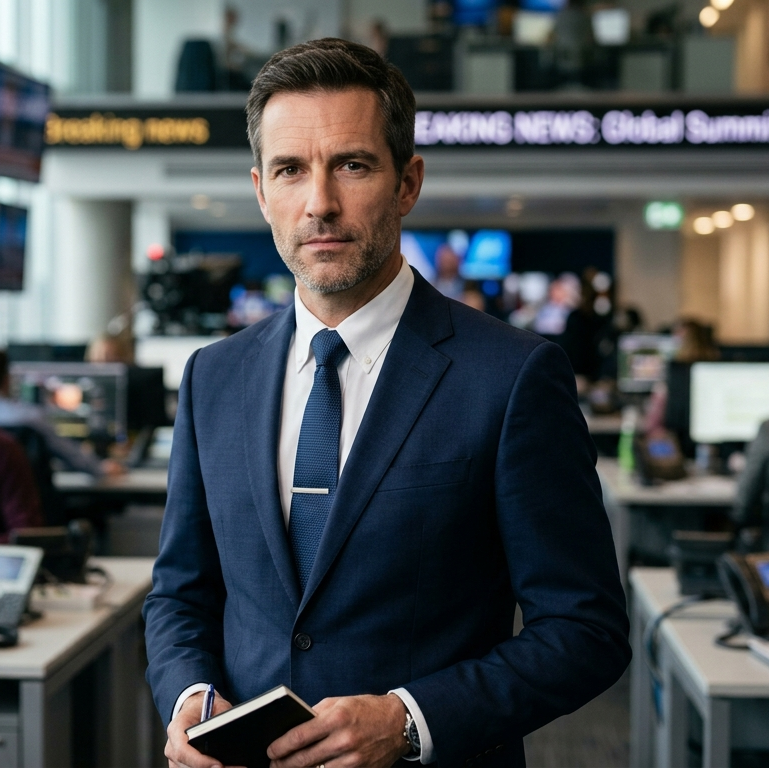
Adrian Velk is a global affairs journalist focused on breaking news, geopolitics, and societal trends. With a sharp eye for detail and a commitment to accuracy, he delivers timely reporting that helps readers understand the fast-moving world around them. His work blends factual depth with clear storytelling, making complex events accessible to a broad audience.