Alright, so picture this: mediators are out there, ‘lowkey’ trying to hash things out between the US and Iran, but the whole vibe is ‘straight up’ tense. According to Iran’s Foreign Minister Abbas Araghchi, Qatari mediators are on it, pushing a two-day plan to reopen the Strait of Hormuz. This critical energy chokepoint has been a major player in a global energy crisis stemming from the US-Israel conflict on Iran. Despite these diplomatic overtures, the air is thick with ‘war rhetoric’, with officials from both sides signaling readiness for renewed military escalation. It’s a real head-scratcher, folks, trying to figure out which way this thing is gonna swing.
The current diplomatic efforts, as described in the report, center on Iran’s specific demands for reopening the Strait of Hormuz and restarting peace talks. Tehran wants US sanctions lifted, oil waivers reinstated, a reduced US military presence in the region, recognition of new shipping routes, and a full stop to the conflict, including Israel’s attacks on Lebanon. Qatari and Pakistani mediators are reportedly still consulting on these conditions. Interestingly, Mohsen Rezaei, a security chief for Iran, noted a ‘completely changed’ tone in a recent letter from US Vice President JD Vance, which Araghchi also described positively, suggesting a potential shift in Washington’s approach.
On the flip side, President Donald Trump has been sending some mixed signals that are, no cap, kinda wild. While he admitted negotiations were ‘going fine,’ he also made it clear the US still has Iranian targets, like the suspected underground nuclear complex known as Pickaxe Mountain, to ‘take care of.’ Secretary of State Marco Rubio affirmed that talks are ongoing, stating that diplomacy is an option if a solution can be found. However, Trump’s previous threats to ‘finish off’ Iran and warnings to Gulf allies to prepare for a short, high-intensity conflict after the November 3 midterm elections highlight the precarious balance between the diplomatic table and potential military action.
Meanwhile, Iranian officials are not holding back, flexing their military muscle and talking tough. Foreign Minister Araghchi stated that Iran’s armed forces are more prepared than ever for war. Supreme Leader Mojtaba Khamenei reportedly ordered commanders to update Iran’s target list to include ‘all types of tangible and intangible assets’ belonging to the ‘American-Zionist enemy.’ Perhaps most significantly, Rezaei has threatened the use of ‘new weaponry’ and even suggested that Iran’s government is weighing a change to its ‘nuclear doctrine,’ which currently prohibits nuclear weapons. This potential shift, given the long-standing international concerns over Iran’s nuclear program and Trump’s insistence it must never acquire nuclear weapons, could, for real, escalate tensions to another level.
The Israeli angle adds another layer of complexity to this already intricate situation. As the article points out, Israel, which joined the US in initiating the conflict with Iran, is reportedly gearing up for potential conflict right after the US midterm elections. Prime Minister Benjamin Netanyahu has characterized this as a ‘historic, one-time opportunity’ to ‘remove the Iranian threat once and for all.’ Even with his coalition losing its parliamentary majority in recent legislative elections, Netanyahu remains in a caretaker role, and his stance certainly complicates Iran’s strategic calculations, as noted by security studies professor Andreas Krieg, who suggested Tehran fears an agreement with Washington might not end the threat of an Israeli attack.
Ultimately, this parallel approach of intense diplomatic engagement and heightened military rhetoric is a strategic play from both sides. Hamidreza Azizi, a senior Iran analyst, suggests Tehran is using diplomacy while simultaneously ‘attempting to redefine’ the military implications of any future conflict. The experts quoted in the report indicate that both parties are trying to leverage the political calendar – specifically the upcoming US midterm elections – to their advantage. Iran might be delaying concessions to deny Trump a political win, while after the elections, Trump might face fewer domestic restraints, potentially increasing his willingness to strike. It’s a delicate dance, and the world is watching to see if diplomacy can ‘slay’ the ‘war rhetoric’ before things get ‘sketchy’.
If you enjoyed this article, share it with your friends or leave us a comment!
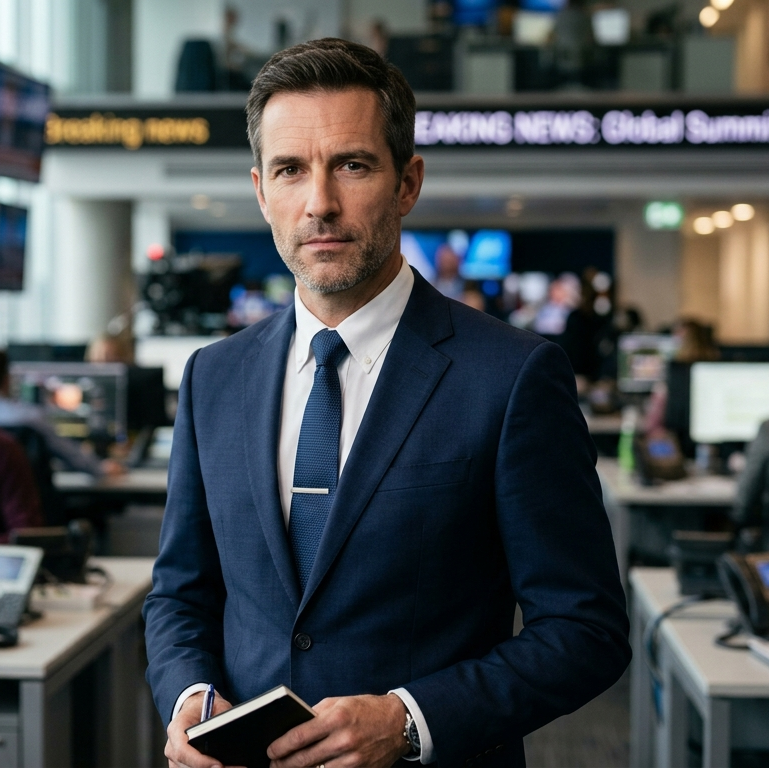
Adrian Velk is a global affairs journalist focused on breaking news, geopolitics, and societal trends. With a sharp eye for detail and a commitment to accuracy, he delivers timely reporting that helps readers understand the fast-moving world around them. His work blends factual depth with clear storytelling, making complex events accessible to a broad audience.