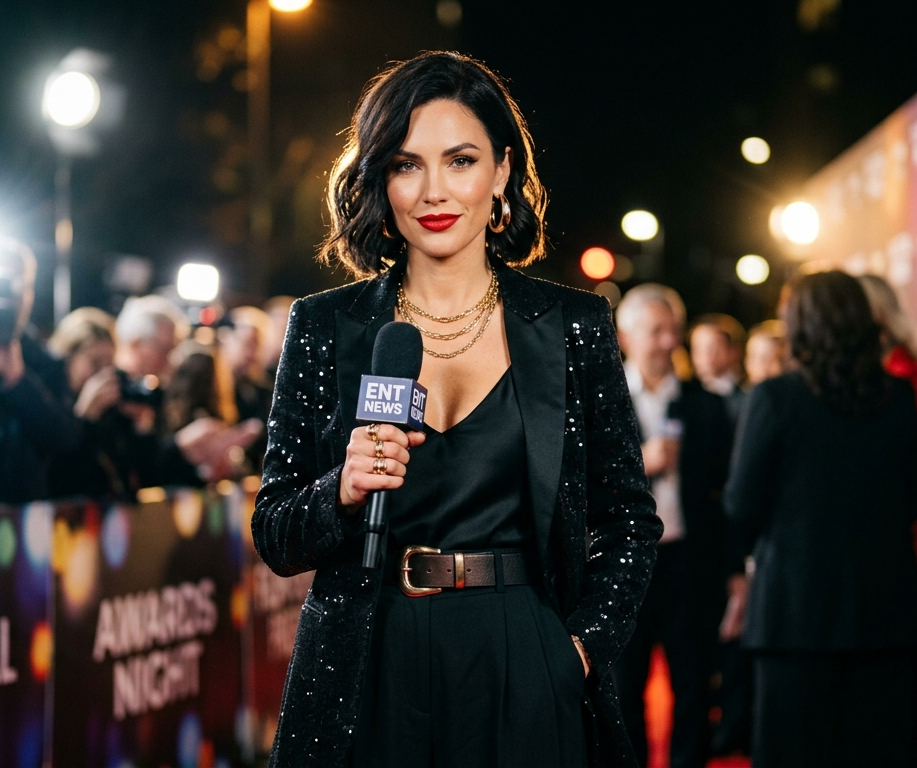
When Team Melli hit the pitch in Los Angeles, something pretty wild happened. Despite a thick cloud of political tension and deeply held divisions among the Iranian diaspora, the sheer power of football managed to lowkey unite a stadium full of passionate fans. It was a potent reminder that the beautiful game can, for a fleeting moment, transcend the heaviest of geopolitical baggage, bringing people together under a shared roar for their national squad.
Los Angeles, home to a massive Iranian American community, is often a hotbed of political discourse, with many staunchly opposed to the current governing system in Tehran. This was evident at the game, where two distinct Iranian flags—the Islamic Republic’s flag and the pre-1979 revolution’s lion-and-sun emblem—fluttered in opposing sections. But for real, when Iran’s attackers pressed New Zealand’s goal, ‘Iran, Iran’ chants rang out in unison, proving that collective national pride could momentarily override these symbolic splits.
The atmosphere inside the stadium was electric, a stark contrast to the small, vocal protest happening outside. As Parsa Tafreshi, a fan who traveled all the way from New York, predicted, every Iranian goal was met with deafening cheers. This wasn’t just about the score; it was about a shared emotional experience, a collective exhale and eruption of joy that hits different when your national identity is often politicized and scrutinized. The game itself, a thrilling 2-2 draw, delivered pure, unadulterated sports drama, pushing everything else into the background.
Outside the venue, a smaller but fierce group of demonstrators chanted anti-regime slogans, waved Israeli flags, and even called for a resumption of hostilities with Iran. They accused Team Melli of being the ‘IRGC Team,’ referencing Iran’s Islamic Revolutionary Guard Corps, and displayed banners with unsettling imagery. However, as one attendee, Sudi Farokhnia, put it, ‘all the hype was just outside.’ The vibe inside was all about the game, showing a clear split between protest rhetoric and the unifying draw of the sport.
It’s important to note, though, that even within the stadium, political statements were unavoidable. FIFA, despite its ban on political symbols, saw thousands of fans proudly displaying the pre-revolution lion-and-sun flag, along with ‘Make Iran Great Again’ and ‘Free Iran’ slogans. This showcased a nuanced reality: while football might unify, it also becomes a powerful, highkey platform for expressions of dissent and identity, illustrating the difficulty in completely separating sports from sociopolitical contexts, especially for a nation grappling with complex internal and external pressures.
One particularly poignant statement came from a fan wearing a shirt with ‘Minab 168’ emblazoned on the back. This wasn’t a call for war but a stark humanitarian message, commemorating the 168 children killed in a school bombing in Minab during a conflict. It served as a powerful, non-partisan reminder that amidst the cheers and political fervor, the human cost of conflict deeply resonates with the diaspora, transforming a sports jersey into a moving memorial and a plea for peace.
Team Melli’s very presence in the US was fraught with political complications, having been forced to base in Mexico due to a Trump administration refusal to host them earlier in the year. This added another layer of complexity to their World Cup journey, making every kick and every goal feel like an act of perseverance against external pressures. The team’s performance, bouncing back twice from behind, was not just about two points dropped; it was about resilience for a nation that has endured immense hardship and a global spotlight that often overshadows its people’s dreams.
Ultimately, when that final whistle blew, the collective emotions—joy, disappointment, and a momentary sense of shared identity—were palpable. For many Iranians in the stadium, both those waving the flag of the Islamic Republic and those preferring the lion and sun, the goals scored by Team Melli represented a pure, unadulterated moment of national pride. It was a day when the ball really did do the talking, reminding everyone that sometimes, just sometimes, the game itself is the most powerful political statement of all.If you enjoyed this article, share it with your friends or leave us a comment!

Adrian Velk is a global affairs journalist focused on breaking news, geopolitics, and societal trends. With a sharp eye for detail and a commitment to accuracy, he delivers timely reporting that helps readers understand the fast-moving world around them. His work blends factual depth with clear storytelling, making complex events accessible to a broad audience.