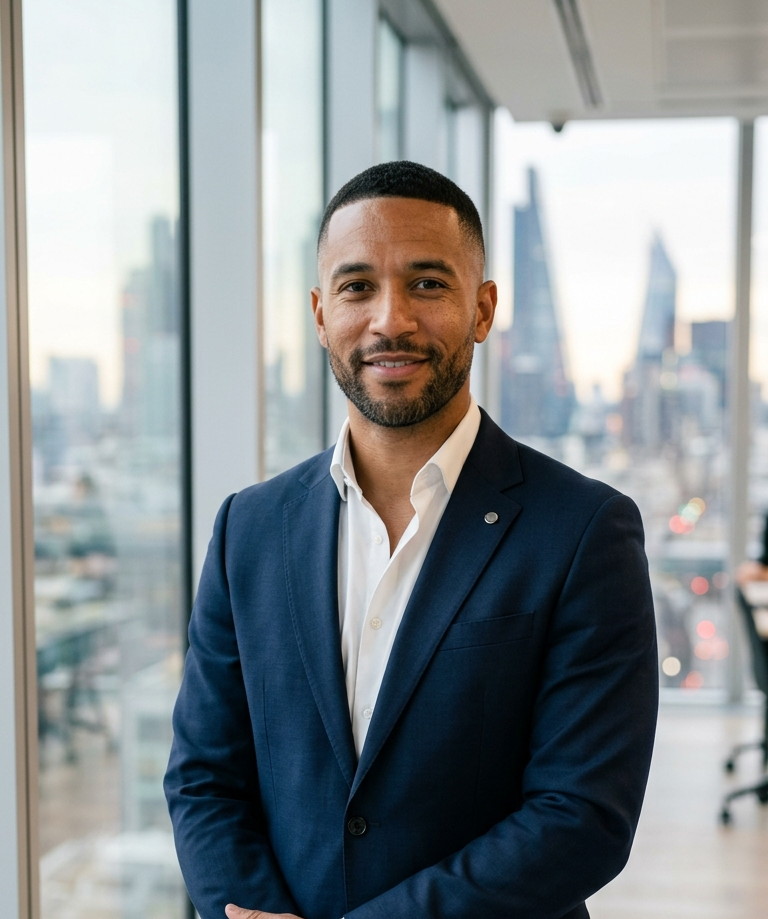
Alright, soccer fans, gather ’round because we’re diving deep into the world of a broadcasting legend: Derek Rae. The dude is, no cap, one of the most respected voices in global football, and his recent sit-down with The Cooligans was a masterclass in insight, culture, and storytelling. From his Scottish roots to becoming a household name worldwide, Rae’s journey is truly unique, offering a fantastic lens into the beautiful game. What makes **Derek Rae** stand out isn’t just his smooth delivery or encyclopedic knowledge; it’s his unwavering commitment to getting things right, especially when it comes to player names.
For Rae, correct pronunciation isn’t just about being phonetically accurate; it’s about deep-seated respect and cultural recognition. He shared a powerful story about the profound impact that getting a player’s name spot on can have on them and their families. Think about it: a player has worked their entire life for that moment, and hearing their name butchered can feel dismissive. Rae understands that a name carries history, identity, and pride. In an increasingly globalized sport with players from every corner of the planet, this level of dedication is, quite frankly, essential. It’s a foundational element that separates the good commentators from the truly great ones, making him a legit authority.
Rae’s love for languages and history clearly shaped his career trajectory. Growing up in Scotland, he developed an early fascination with European football, particularly the German leagues. This passion wasn’t just casual fandom; he dove headfirst into learning the culture, the nuances, and yes, the challenging pronunciations. This dedication allowed him to carve out a niche, becoming one of the most knowledgeable English-speaking experts on Bundesliga football. His commentary often feels like a mini-history lesson, delivered with the excitement of a live match, which is highkey impressive and sets him apart from the pack.
And then there’s the monumental leap into video game immortality: becoming the voice of EA FC. Formerly FIFA, this gaming franchise is a global phenomenon, introducing millions to the sport and its stars. Rae revealed the audition process was intense, but the opportunity to be recognized worldwide through such a massive platform is a game-changer. It means his voice, synonymous with real-world soccer, now guides virtual matches in living rooms across continents. This kind of widespread recognition is dope, amplifying his reach far beyond traditional broadcasts and cementing his legacy among a younger generation of fans.
Beyond his personal journey, Rae also offered keen observations on the evolution of soccer media. He’s witnessed the sport’s transformation from a niche interest in some regions to a mainstream entertainment powerhouse. He reflected on iconic broadcasting moments and the heavy responsibility that comes with being a trusted voice in the sport. Commentators aren’t just calling plays; they’re framing narratives, influencing perceptions, and, in many ways, shaping the emotional experience of watching a game. It requires not just knowledge but also a sharp sense of ethics and an understanding of the immense platform they hold.
The conversation naturally flowed into the fascinating cultural differences between MLS and European leagues. Rae highlighted how European football, particularly the top-tier leagues like the Premier League, La Liga, and Bundesliga, operates with a different kind of intensity and historical weight. MLS, while growing exponentially, still carves out its unique identity, blending American sporting traditions with the global game. The passion here in the States is undeniable, but the roots are different, leading to distinct fan experiences and league structures. It’s not better or worse, just different vibes, you know?
One area where Rae’s expertise truly shines is his analysis of why Germany has become such fertile ground for American players. It’s no secret that the Bundesliga is practically a proving ground for young American talent. Unlike some other major European leagues that might favor established stars or homegrown talent, German clubs often have a robust youth development pipeline and are more willing to invest in promising young players from abroad. They offer a high level of tactical coaching, exposure to top-tier competition, and a clear pathway to first-team action that can be harder to find elsewhere. Players like Christian Pulisic, Gio Reyna, and Weston McKennie all honed their skills significantly in Germany before making bigger moves. It’s a smart strategy for career development, for real.
Finally, the discussion turned to the unique identity of soccer fandom in the United States and the seismic event that will be the 2026 FIFA World Cup. Rae offered thoughtful insights into how American soccer culture is a vibrant melting pot, drawing fans from diverse backgrounds who support both local MLS teams and international clubs with equal fervor. The 2026 World Cup, hosted across North America, is projected to be the biggest soccer event ever. The question is, will this be the year the US truly becomes a ‘soccer country’ in the global sense? Many believe, myself included, that the sheer scale of the event could spark an unprecedented explosion in popularity and solidify soccer’s place in the American sporting landscape. It’s an exciting time, and heads up, it’s gonna be huge.
Derek Rae’s ability to weave together personal anecdotes with global insights is what makes him such a captivating voice. His passion for the game, respect for its players, and understanding of its intricate cultural tapestry make every conversation with him truly enriching. He’s more than just a commentator; he’s an ambassador for the global game, reminding us that sports, at their core, are about human connection and shared passion. It’s legit what makes the sport so special.
If you enjoyed this article, share it with your friends or leave us a comment!