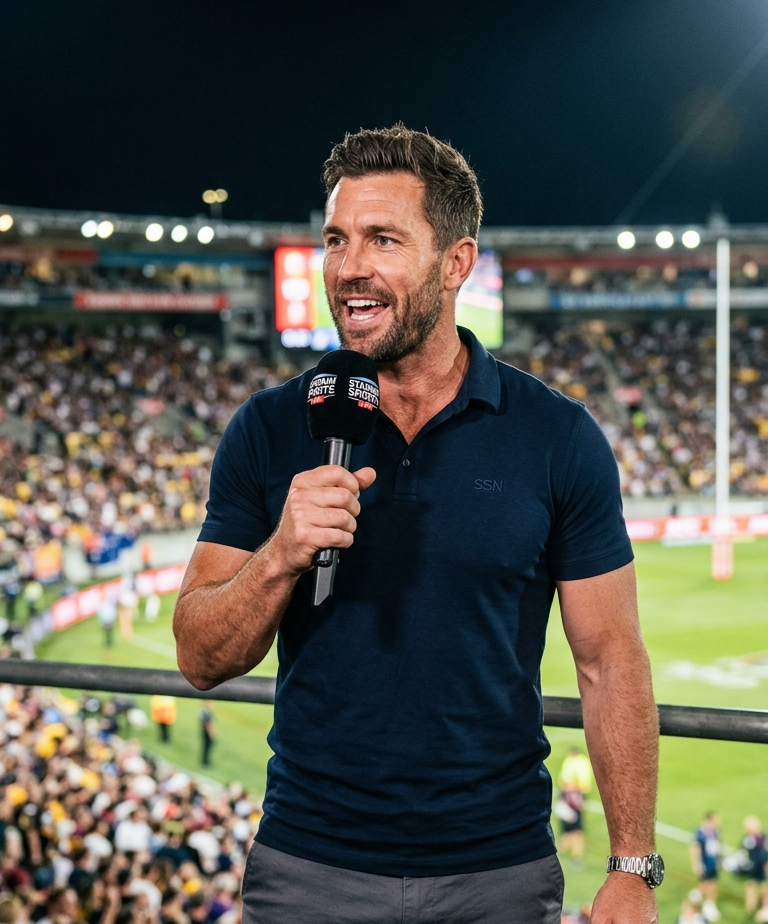
Man, talk about a heartbreaker! After the US Men’s National Team took an ‘L’ against Belgium in the World Cup Round of 16, getting bounced 4-1, the Fox Sports announcers, John Strong and Stu Holden, didn’t waste a second. They straight up pleaded with American viewers not to dip out on soccer. It’s a classic move, trying to keep the momentum going, especially after the nation’s hope for a deep run on home turf in 2026 just got a bit of a reality check. They know how it goes; many folks only tune in when the U.S. squad is playing, but the beautiful game, as they called it, is so much bigger than just one team.
This plea for sustained viewership hits different because the journey of US Soccer in America has always been a bit of a rollercoaster, no cap. For decades, it’s been dubbed the ‘sleeping giant,’ promising to explode onto the mainstream, especially after major events like the 1994 World Cup hosted on our own soil, or the surprising run in 2002. While those tournaments sparked temporary surges in interest, consistently translating that into everyday viewership for MLS or even the top European leagues has been a hustle. It’s a tough market to crack when you’re up against titans like the NFL, NBA, and MLB, which have generations of deep-rooted fandom.
For broadcasters like Fox, this early exit is a massive bummer, financially speaking. They’ve invested a whole lot of green in securing those World Cup rights, and the dream of hitting NFL playoff-level viewership numbers with a quarterfinal or semifinal US match was highkey tantalizing. We’re talking about potentially 50 million viewers – that’s legit huge! While world-class teams like France, Argentina, and Spain are still in the mix, and favorable time zones help, the absence of the home team definitely impacts those coveted ratings. It’s a tricky balance between global appeal and local engagement, and right now, the scale might be tipping away from the latter.
However, it’s not all doom and gloom for soccer in the States. The upcoming 2026 World Cup, co-hosted by the US, Canada, and Mexico, is a massive opportunity to reignite that fire. Think about the infrastructure, the hype, and the potential for a deeper run with home-field advantage. Plus, Major League Soccer has been steadily growing, even experiencing a ‘Messi effect’ with superstar players joining the league, bringing fresh eyes and new fans. These developments suggest a more robust foundation for the sport that extends beyond just the national team’s World Cup performance, offering domestic leagues a chance to truly shine.
What’s also wild is how the younger generation is lowkey changing the game. With streaming services making it easier than ever to catch matches from across the globe and social media connecting fans instantly, soccer isn’t just a once-every-four-years spectacle anymore. Kids are growing up watching Premier League, La Liga, and Champions League like it’s second nature. This cultural shift, driven by digital accessibility and a more globalized mindset, means that the overall interest in soccer might be more resilient than past cycles, even if the US national team isn’t always slaying on the big stage. The sport itself is just too dope to ignore.
So while the announcers’ plea might seem a bit desperate to some, it’s also a reflection of a genuine passion for the sport and a recognition of its undeniable appeal. The dream of soccer truly breaking into the American mainstream might be taking a winding path, but it’s far from over. With more talent coming up, increased exposure, and major tournaments on the horizon, the ‘beautiful game’ is still very much in play to capture American hearts, one epic goal at a time. This World Cup setback is just a chapter, not the whole book.
If you enjoyed this article, share it with your friends or leave us a comment!

Livia Dorne covers film, television, music, and pop culture with a keen editorial perspective. She delivers engaging commentary, reviews, and behind-the-scenes insights that keep readers connected to the entertainment world. Her style blends critique with storytelling.