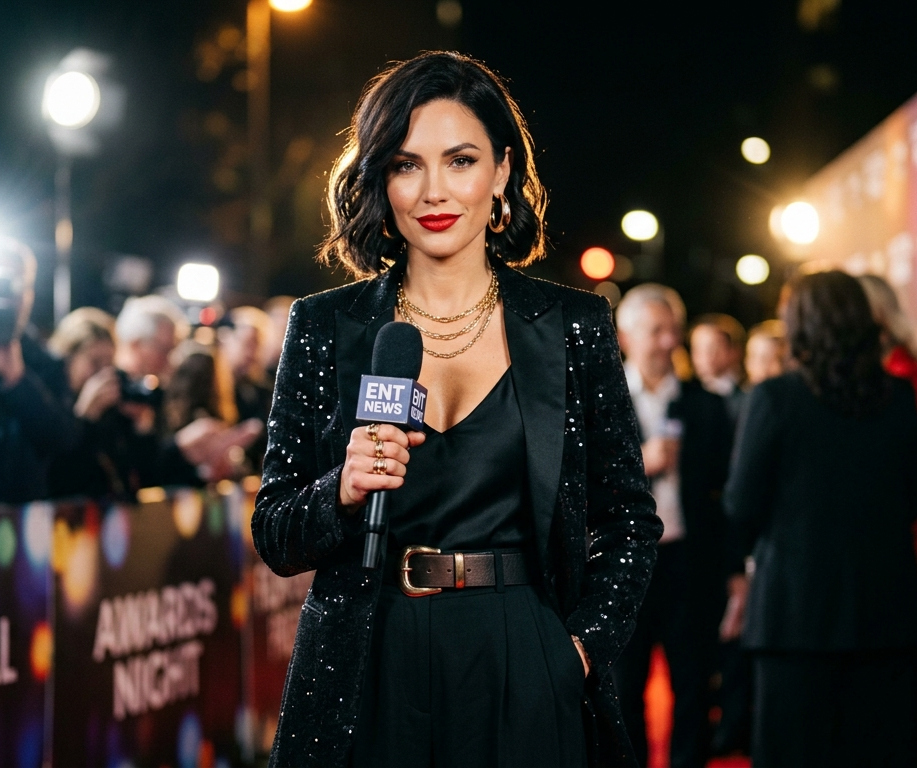
Networks are gearing up for the 2026 Midterm Election Night, a truly ‘lit’ event that promises unprecedented data, innovative coverage, and fierce competition. This year’s Election Night is set to be a spectacle, as traditional media giants face off against a blizzard of independent creators and podcasters, all vying for eyeballs and attention. According to the report, the plans across the linear landscape are robust, reflecting the high stakes and the evolving ways Americans consume election results.
The push for more sophisticated data analysis is ‘on point’, with major networks collectively relying on The Voter Poll from SSRS for the first time since 2016. This common data source, covering 45 states with Senate or governor’s races, offers a broader scope of voter sentiment than previous midterms. Networks like ABC News are introducing simulators to calculate odds in real-time, while CNN is debuting ‘Sightline’ for a transparent assessment of race projections, allowing viewers an ‘inside look’ at analyst confidence levels, as the article states. This shift means less ‘yapping around the deck’ and more focus on what the numbers mean, according to NBC News’ Hallie Jackson.
To counter the rise of digital creators, traditional media outlets are going ‘full send’ on multiplatform strategies. Networks are promising unique content on subscription platforms, mobile apps, and social media, all aimed at ‘meeting viewers where they are’. For instance, Fox News is rolling out an AI-powered chatbot and streaming specials like the *Ruthless* podcast on Fox Nation and Fox News Digital. CBS News is launching *Election 2026: The Nerd Show* for ‘political junkies’, offering deep dives into data and models on CBS News 24/7 and YouTube, as noted by David Reiter, SVP of CBS News 24/7.
The landscape is changing so fast that even legacy institutions are embracing ‘new media’. C-SPAN, for example, is simulcasting popular podcasts like *The Young Turks* and the *PBD Podcast* on its secondary channels, recognizing that younger Americans often consume news from creators. C-SPAN CEO Sam Feist mentioned being ‘impressed’ by their production values and seeing it as a chance ‘to expose their audiences to C-SPAN’. Meanwhile, independent creators like Chuck Todd and Chris Cillizza are hosting *The Projection* with Decision Desk HQ, showcasing a ‘straight up’ blend of traditional expertise and independent platforms.
The political map for this midterm cycle is proving to be unexpectedly dynamic, described as an ‘expanding map’ of competitive races. The report notes a tight race in South Carolina, where Darline Graham is challenging Annie Andrews. This has forced networks to redeploy resources to areas previously considered safe Republican territory, with CNN’s David Chalian highlighting that the ‘battlefield of competition is taking place in a lot of deep-red-territory states’. Jenn Metz, an executive producer, also mentioned ‘the voter shift,’ a trend in 2024 toward Republicans that might swing back toward Democrats this midterm. This volatility demands networks to be ready for various scenarios, from a ‘red wall’ to a ‘blue tsunami,’ according to NewsNation’s Chris Stirewalt.
In an era where election disputes and misinformation are a real concern, networks are ‘highkey’ prepared. They’ve assembled teams of legal reporters and election-integrity experts to monitor poll disruptions, legal challenges, and fraud claims. ABC News’ Seni Tienabeso emphasizes providing context to discern national significance from routine election cycle occurrences. Furthermore, the report delves into the growing presence of prediction markets, with CBS News featuring data from Kalshi. However, experts like NewsNation’s Stirewalt caution that these markets can be ‘lagging indicators’ and not fundamentally different from sports betting, highlighting the need for vigilance and relying on verified data.
If you enjoyed this article, share it with your friends or leave us a comment!
Adrian Velk is a global affairs journalist focused on breaking news, geopolitics, and societal trends. With a sharp eye for detail and a commitment to accuracy, he delivers timely reporting that helps readers understand the fast-moving world around them. His work blends factual depth with clear storytelling, making complex events accessible to a broad audience.